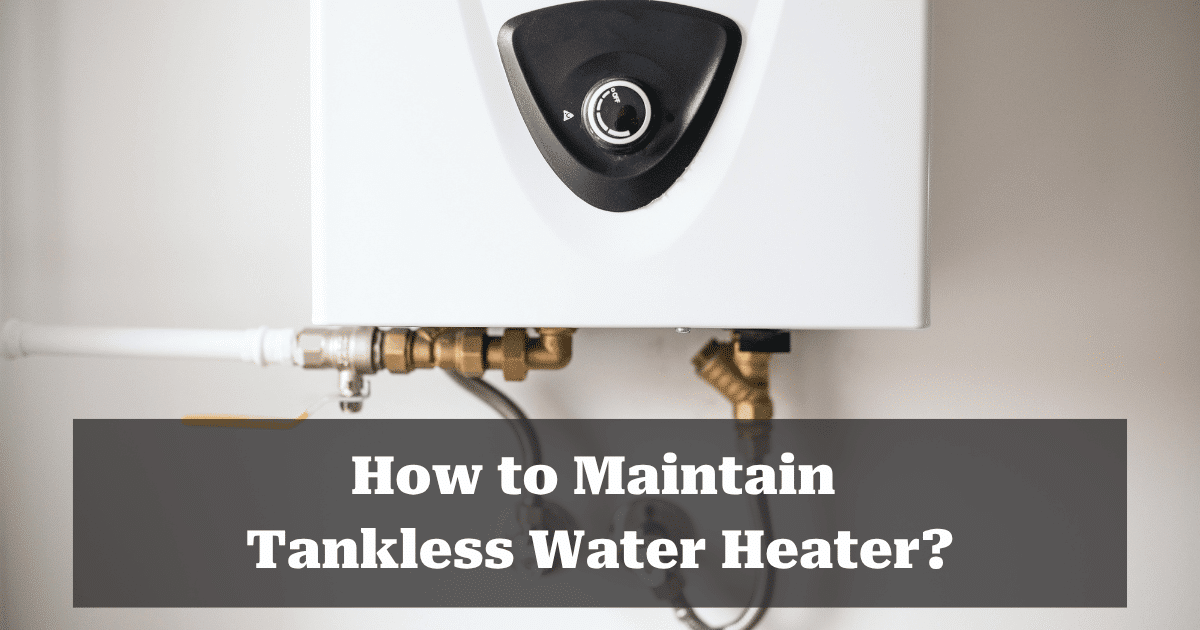
Learning how to maintain tankless water heater systems can help you avoid temperature problems, reduced water flow, unexpected error codes, and preventable heater repair. A tankless unit does not store heated water inside a large tank, but that does not mean it can operate forever without attention.
Minerals can collect inside the heat exchanger. Dust can block air intake openings. The inlet water filter can become clogged. Over time, these small issues may force the water heater to work harder just to deliver the same amount of hot water.
The good news is that tankless heater maintenance is usually manageable when you follow the correct schedule and pay attention to early warning signs.
Quick Overview
- Check your manufacturer’s manual before performing any maintenance.
- Inspect the unit regularly for leaks, error codes, unusual sounds, and restricted airflow.
- Clean the inlet water filter when debris begins limiting water flow.
- Flush the heat exchanger when mineral scale begins to accumulate.
- Homes with hard water may need more frequent maintenance or water treatment.
- Call a qualified professional when the unit has gas, electrical, venting, combustion, or recurring performance problems.
Why Tankless Water Heater Maintenance Matters
Tankless water heaters create heat only when a faucet, shower, or appliance calls for hot water. Cold water enters the unit, passes through a heat exchanger, and is heated by a gas burner or electric heating element.
Because water moves directly through this narrow internal system, calcium, magnesium, sediment, and other minerals can gradually collect on internal surfaces. The buildup may not be visible from outside the heater, but its effect can become noticeable.
A poorly maintained tankless water heater may develop:
- Fluctuating water temperatures
- Longer waits for hot water
- Reduced water pressure
- Higher energy consumption
- Scale-related error codes
- Unusual humming, clicking, or rumbling sounds
- Premature component failure
Routine maintenance protects more than comfort. It helps the water heater transfer heat efficiently, supports consistent flow, and may be required under the manufacturer’s warranty terms.
Unlike traditional tank water heaters, tankless models do not normally contain an anode rod. An anode rod protects a storage tank from corrosion, so it is part of tank-style heater maintenance rather than standard tankless maintenance.
How Often Should You Maintain a Tankless Water Heater?
Most households should have the system checked approximately once a year, but the correct interval depends on water hardness, usage, model requirements, and local conditions.
Annual maintenance is a useful starting point for many water heaters. However, some homes may need a flush every six to twelve months, while a unit supplied by softer water may require descaling less frequently.
Let Water Hardness Guide the Schedule
Water hardness describes the concentration of dissolved minerals, especially calcium and magnesium. When hard water is heated, those minerals can attach to the inside of the heat exchanger.
The harder the water, the faster scale may form.
A family using large amounts of hot water can also accumulate scale faster than a one-person household, even when both homes have similar water quality. That is why maintenance should be based on actual operating conditions rather than the calendar alone.
Consider more frequent service when:
- Your home has hard or very hard water.
- Several people use hot water throughout the day.
- The unit operates at a high temperature setting.
- You notice reduced flow or unstable heating.
- The manufacturer recommends a shorter interval.
- The heater displays a scale or service notification.
Water treatment may help reduce mineral buildup. Depending on the property, that could include a water softener, scale-control system, or other product recommended for the unit and local water conditions.
What Tankless Heater Maintenance Should Include
Proper maintenance is more than circulating cleaner through the water heater. A complete inspection should cover the water side, heating system, airflow, controls, connections, and safety components.
Inspect the Unit and Surrounding Area
Start with a visual inspection every few months. You do not need to take the heater apart to catch basic warning signs.
Look for:
- Water beneath or around the unit
- Corrosion on fittings or valves
- Loose electrical connections
- Damaged pipes
- Discoloration near the vent
- Dust around air intake openings
- Error codes on the control panel
Keep boxes, cleaning products, fabric, and other stored items away from the heater. Gas models require clear airflow for safe combustion, while indoor and outdoor models have specific clearance requirements.
Never cover the unit or block its intake and exhaust openings.
Clean the Inlet Water Filter
The inlet water filter catches sediment and debris before they enter sensitive components.
A clogged water filter can restrict flow and make the heater appear undersized or defective. You may notice weaker pressure at hot faucets, inconsistent temperatures, or an error code related to flow.
The exact procedure differs between models, but it generally involves shutting off the unit and water supply, relieving pressure, removing the filter screen, rinsing it with clean water, and reinstalling it securely.
Always follow the manufacturer’s instructions. Removing a filter while the system remains pressurized can release hot water and cause injury or property damage.
Check the Air Intake and Venting
Gas tankless water heaters depend on proper airflow. Dust, lint, leaves, insects, or stored materials can interfere with intake and exhaust.
Inspect visible vent connections for gaps, damage, staining, or corrosion. Outdoor heaters should also be checked for leaves and debris around the cabinet.
Do not disassemble sealed combustion components yourself. Soot, recurring ignition problems, exhaust odors, or visible vent damage require professional plumbing and heating service.
Flush the Heat Exchanger
Flushing circulates a manufacturer-approved descaling solution through the tankless water heater to dissolve mineral deposits.
A typical service setup uses:
- Two flushing hoses
- A bucket
- A small circulation pump
- Isolation and service valves
- An approved descaling product
Some manufacturers allow undiluted white vinegar. For example, Rinnai provides a procedure using four gallons of vinegar and notes that circulation may take up to 45 minutes. Other heaters require a different solution, concentration, or circulation period, so the manual must take priority.
Do not assume that every chemical marketed as a scale remover is safe for your water heater. Harsh products may damage seals, copper components, or the heat exchanger. An incorrect restart procedure can also trap air, create leaks, or trigger error codes.
Review Temperature and Performance
Many homes use a setting near 120°F because it generally provides a practical balance of comfort, energy use, and scald protection. Some households and commercial applications have different requirements.
After maintenance, run hot water and watch for:
- Stable temperature
- Normal pressure
- Smooth ignition
- No leaks at service valves
- No new error codes
- No unusual sounds
A properly serviced unit should operate smoothly. Maintenance cannot correct every performance problem, however. An undersized heater installation, gas-supply issue, plumbing crossover, failing sensor, or damaged component may require diagnosis and repair.
Can You Flush a Tankless Water Heater Yourself?
You may be able to flush certain models yourself when service valves are installed, you have the correct equipment, and the manufacturer permits homeowner maintenance.
DIY maintenance is not suitable for every situation. The process involves hot water, electricity, gas, pressure, chemicals, and model-specific restart instructions.
Call an experienced installer or plumber when:
- The unit does not have accessible isolation valves.
- You cannot identify the correct shutoff sequence.
- The heater has a gas, ignition, electrical, or venting problem.
- You find corrosion, leaking components, or damaged wiring.
- Error codes return after cleaning.
- Warranty terms require documented professional service.
- The heater has never been serviced and is already performing poorly.
Trusted Plumbing & Heating can inspect the system, clean scale from the water side, check flow and heating performance, and determine whether the problem calls for maintenance, heater repair, or a corrected heater installation. Professional service is especially helpful when several issues appear at the same time.
Tankless Water Heater Maintenance Schedule
| Maintenance task | Suggested timing |
|---|---|
| Check for leaks and error codes | Every 1 to 3 months |
| Inspect visible vents and air openings | Every 3 to 6 months |
| Clean the inlet water filter | Every 6 to 12 months or as needed |
| Evaluate water hardness | After installation and when conditions change |
| Flush the heat exchanger | Commonly every 12 months, adjusted for water quality |
| Complete professional inspection | Annually or according to the manual |
These intervals are general guidelines. Some Noritz tankless models, for example, may base maintenance needs more heavily on water hardness and scale-detection alerts instead of requiring the exact same annual schedule in every home.
Warning Signs Your Heater Needs Attention
Do not wait for the tankless water heater to stop producing hot water completely.
Schedule an inspection when you notice:
Hot Water Turns Cold During Use
Temperature changes may be caused by scale, low flow, an overloaded unit, a dirty filter, ignition trouble, or a plumbing crossover.
Water Pressure Has Dropped
A restricted inlet filter or mineral buildup inside the water pathways can limit flow. Compare hot and cold pressure at the same fixture to help identify whether the issue is affecting the heater.
The Unit Displays an Error Code
Write down the complete code before resetting the heater. Repeatedly clearing a code without correcting the cause can make the underlying problem worse.
Energy Use Has Increased
Scale acts as a barrier between the heat source and the water. The system may run harder or longer to reach the selected temperature.
The Heater Makes New Sounds
Some operating sounds are normal. New rumbling, whistling, vibrating, or repeated ignition noises should be inspected, especially when they occur with temperature changes or reduced flow.
Frequently Asked Questions
Do tankless water heaters need annual maintenance?
Many tankless water heaters benefit from annual inspection and descaling, but the final schedule depends on water hardness, household demand, manufacturer instructions, and the unit’s scale-detection features.
How often should you flush a tankless water heater?
A common recommendation is once per year. Homes with hard water or heavy hot-water use may require a flush every six to twelve months, while softer-water conditions may allow a longer interval.
What happens if you do not flush a tankless water heater?
Mineral scale can reduce heat transfer and water flow. The heater may use more energy, produce unstable temperatures, display error codes, and experience a shorter service life.
Can I use vinegar to clean my tankless water heater?
Some manufacturers allow white vinegar, while others recommend a specific descaling product. Check the manual before choosing a cleaning solution because the wrong chemical may damage internal components.
How long does it take to flush a tankless water heater?
The circulation portion often takes approximately 45 to 60 minutes. Setup, draining, rinsing, reconnecting, and safely restarting the unit can add more time.
Does a tankless water heater have an anode rod?
Most tankless water heaters do not have an anode rod because they do not store water inside a steel tank. Anode rods are generally associated with traditional tank water heaters.
Schedule Tankless Water Heater Service
Keep your hot water dependable with professional maintenance from Trusted Plumbing & Heating. Our experienced team serves homeowners and businesses across Renton, Seattle, Bellevue, Kent, Auburn, Federal Way, Tacoma, and surrounding Puget Sound communities.
Call Trusted Plumbing & Heating today to schedule a tankless water heater inspection, cleaning, or repair.
PHONE: (206) 752-6151