What is Static Pressure in HVAC?
A Homeowner’s Guide to HVAC Systems & Air Pressure from Trusted Plumbing & Heating
If you have spent time researching effective heating and cooling for your home, you may have seen the term “static pressure” come up often in discussions about HVAC. But what is static pressure in HVAC and why does it matter? In this blog, the experts at Trusted Plumbing & Heating will break down what homeowners need to know about static pressure, how it affects your comfort, and when to call in the pros.
Understanding Static Pressure in HVAC
So what is static pressure? In simple terms, static pressure is the resistance to airflow in your HVAC system’s ductwork. Picture air trying to move through your home’s ducts. If it meets a lot of resistance on its way to each room, your system may struggle to effectively deliver heating or cooling. This resistance is what HVAC technicians refer to as static pressure.
HVAC systems rely on fans to move air through a network of air ducts. The more resistance these fans encounter, the harder the system has to work. High static pressure is a sign that the air in your system is not moving as smoothly as it should be. Low static pressure can also be a problem, indicating potential leaks or issues in ductwork. Both can lead to shrinking comfort, wasted energy, and higher repair costs.
Why is Static Pressure Important in HVAC?
When static pressure is within the ideal range, your HVAC performs at its best. The temperature stays consistent, energy bills are lower, and both heating and cooling are distributed evenly throughout your home.
Problems begin when static pressure strays from this sweet spot. High static pressure can generate several issues:
- Reduced airflow, meaning less comfort in certain rooms
- Strain on the blower motor, which can lead to early system failure
- Increased noise from the ducts and air handler
- Rise in energy bills due to overworked equipment
Too low static pressure can point to major air duct leaks or disconnected ductwork, causing your HVAC to lose treated air and forcing it to work much harder. Catching and correcting static pressure problems early is essential for efficient home comfort.
How Static Pressure is Measured
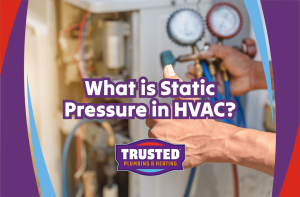
HVAC professionals use special pressure sensors to measure static pressure at different points in your system. This typically happens at the supply and return sides of the air handler. By comparing these readings, they can determine the total pressure your blower experiences as it moves air through the ductwork.
To break it down even further, what you feel coming out of a vent in terms of strength is a result of a mix of static pressure and what is called velocity pressure. Velocity pressure is the force created by moving air. Static pressure looks at the resistance within the air ducts without considering motion, while total pressure is the sum of both. Managing these values is crucial for proper airflow.
Causes of High or Low Static Pressure
Many factors impact static pressure. Common culprits include:
- Dirty air filters. Clogged filters restrict airflow, dramatically increasing static pressure.
- Too many bends or poorly designed air ducts. The longer and more twisted your ductwork, the more resistance air faces.
- Blocked or undersized ducts. If your ducts are too small for the HVAC system or have been blocked with debris, airflow is hindered.
- Closed or obstructed vents. Never close too many vents in unused rooms, as it can spike pressure in the system.
- Failing or improper ductwork installation. Leaky or damaged ducts may cause low static pressure and poor cooling or heating.
How Static Pressure Impacts Your Home
If you are noticing some rooms are always hotter or colder than others, more dust than usual, strange noises from vents, or your energy bills climbing in mid fall, static pressure may be part of the issue. High or low static pressure puts extra wear on your system, which can even lead to expensive repair needs long before your equipment should be replaced.
Unchecked static pressure problems can also mean your home never quite feels as comfortable as you hope. Correct static pressure helps your HVAC work efficiently, manage humidity better, and keep your indoor air quality in great shape.
What You Can Do and When to Call the Pros
A few regular home maintenance steps can help control static pressure. Change HVAC filters every one to three months, keep vents clear and open, and arrange for annual professional system checks. However, diagnosing and solving major static pressure issues should be left to licensed HVAC technicians.
At Trusted Plumbing & Heating, our experienced team uses advanced tools to measure, analyze, and correct static pressure imbalances. We assess airflow, inspect ductwork, and ensure your HVAC is running safely as well as efficiently. Whether you need help with regular HVAC maintenance, a comprehensive duct inspection, or you suspect airflow or system static pressure concerns, we are ready to serve.
Expert Help from Trusted Plumbing & Heating
You do not have to be an HVAC expert to keep your home comfortable and healthy in mid fall and through every season. Trusted Plumbing & Heating’s technicians bring years of training and experience to every service call. If you are experiencing airflow or comfort issues, do not wait for bigger problems. Instead, trust our team to get your system running the way it should.
Contact Trusted Plumbing & Heating today to schedule your HVAC assessment. Our commitment is to keep your home’s comfort and air quality at their best — now and all year long.