
What is plumbing maintenance? It is the routine inspection and care of pipes, fixtures, drains, valves, and water-heating equipment before small problems become leaks, backups, or expensive repairs. Some checks take minutes; others need a trained plumber.
Start With These Six Habits
- Look under sinks and around toilets for moisture each month.
- Listen for running toilets and check unexpected jumps in your water bill.
- Keep grease, wipes, and hair out of drains rather than relying on chemicals.
- Know where the main shutoff valve is and keep access clear.
- Check water-heating equipment for rust, moisture, or unusual sounds.
- Prepare outdoor faucets and exposed pipes before freezing weather.
What Does Plumbing Maintenance Actually Include?
Start with visible checks, not dismantling pipes. A home plumbing inspection focuses on supply lines, valves, toilets, drains, and the water heater, identifying wear before failures.
Find Leaks Before They Damage Cabinets or Floors
Run a dry tissue along joints beneath sinks. Check for soft cabinet bottoms, mineral deposits, dripping hoses, and discoloration near toilets. Also look behind the washing machine.
A toilet can leak silently. Add food coloring to the tank, wait 10 minutes without flushing, and check the bowl. Color indicates a likely flapper or seal leak. The EPA’s leak-checking guide explains how to test your meter for hidden leaks.
Worth Checking: A silent toilet leak can be found in about 10 minutes with food coloring. Flush afterward to prevent staining.
Keep Drains Clear Without Damaging Pipes
Use sink strainers and shower hair catchers. Put grease in the trash and never flush wipes. Clear hair from removable stoppers before it builds up.
Recurring clogs, gurgling, sewer odors, or several slow fixtures suggest a deeper blockage. Professional drain cleaning may require a cable machine or camera. The CDC warns against mixing bleach with other cleaning products. Never combine drain chemicals, and tell your plumber if you have used them.
Check Water Pressure and Shutoff Valves
High pressure strains connectors and valves. Use a hose-bib gauge with fixtures off. The EPA’s home maintenance guidance identifies 45 to 60 psi as a useful range. Consistently higher or lower readings deserve professional attention.
Locate the main shutoff and fixture valves. Never force a seized or corroded valve; arrange repair before an emergency.
What Is Plumbing Maintenance for a Water Heater?
It includes checking the unit for leaks or corrosion, reviewing temperature settings, and servicing safety components and sediment buildup according to the manufacturer’s instructions. The exact work depends on whether the heater is gas, electric, tank, or tankless.
For tank units, a technician may recommend inspection and flushing to remove sediment, plus checks of the anode rod and pressure-relief valve. Have long-neglected units assessed before flushing. Tankless models may need descaling and inlet-screen cleaning.
The U.S. Department of Energy’s checklist suggests 120°F for many households to reduce scalding and energy use. Follow manufacturer guidance and discuss special health needs with a professional. Leave gas lines, burners, venting, and safety valves to qualified technicians.
How Often Should You Check Your Plumbing?
Handle simple checks yourself and arrange servicing when needed. Adjust the schedule for older properties or recurring trouble.
| When | Practical Task | Who Handles It |
|---|---|---|
| Monthly | Inspect visible connections, toilets, and appliance hoses | Homeowner |
| Every 3 months | Check bills, drainage speed, and accessible shutoff areas | Homeowner |
| Before winter | Disconnect hoses; protect exposed pipes and outdoor taps | Homeowner or plumber |
| Yearly | Review water heater service, pressure concerns, and recurring leaks | Qualified plumber as needed |
Photograph suspicious corrosion or moisture to track changes. For a business or rental, keep dated service records. Maintenance plans should fit each property and equipment manual.
What Is Plumbing Maintenance for an Older Home?
It means watching more closely for corrosion, older shutoff valves, and repeated drain problems. Homes with galvanized pipes, past leaks, or mature trees near sewer lines may need more frequent professional assessments. Do not assume every older pipe needs replacing without an inspection.
Cold Weather Adds One Important Step in Western Washington
Even in Puget Sound, an overnight freeze can damage pipes in garages, crawl spaces, and exterior walls. The National Weather Service recommends insulating exposed lines, opening sink cabinets to circulate warmth, and disconnecting hoses.
Important: If a pipe freezes, never thaw it with an open flame. Shut off the water if you suspect a break and arrange professional help.
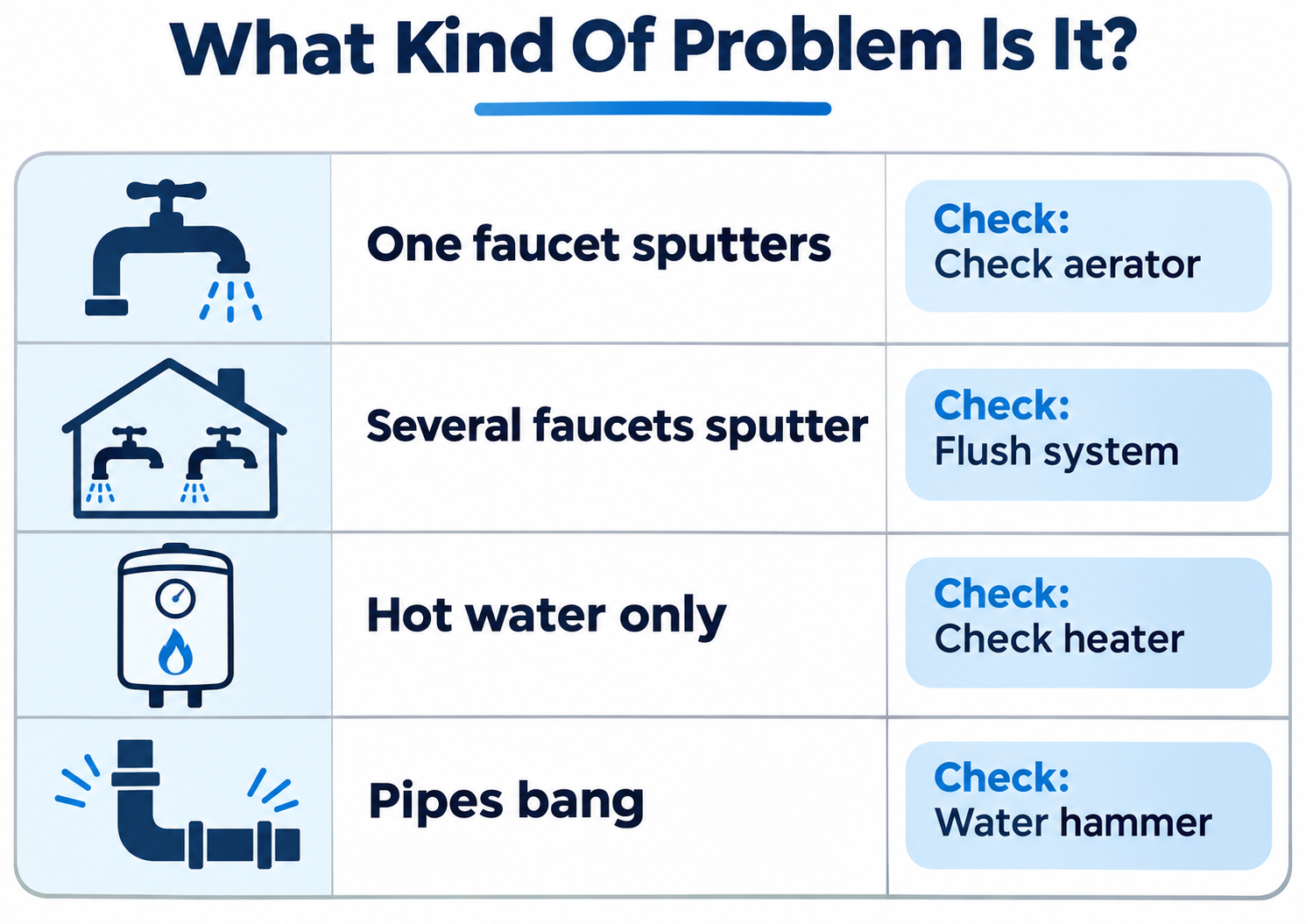
When Is a Plumbing Repair More Urgent Than Routine Care?
Call a plumber promptly for an active leak, sewage backup, sudden pressure drop, or expanding water damage. If a pipe bursts, close the main valve when safe.
A recurring slow drain may indicate grease, roots, or deteriorating pipe. A leaking heater tank may need replacement, not a fitting repair. A useful visit explains what to monitor and what to fix now.
Local Support for the Problems a Checklist Can Reveal
Trusted Plumbing & Heating LLC serves homeowners and businesses across the Greater Seattle area. If a routine check reveals a leaking supply line, stubborn drain, unreliable hot water, or an aging sewer pipe, the team can investigate the cause and explain available repair options. Its services include leak detection, drain cleaning, water heater work, and sewer camera inspections.
A backed-up bathroom drain can hide rusted pipe or a blockage farther downstream, as the company’s published Renton project examples show. A camera inspection can help distinguish a fixture clog from a larger line problem before repairs begin.
Why Homeowners Choose Trusted
- Family-owned and locally operated in Washington.
- Led by founder Jim Cunningham, with more than 40 years of industry experience.
- Lists Washington plumbing license TRUSTPH781NC and construction registration TRUSTPH840KO.
- Describes its team as licensed, insured, and bonded.
- Offers leak detection, drain clearing, water heater work, and sewer inspections.
- Advertises same-day service and straightforward estimates, subject to availability.
Get Ahead of the Next Leak
For an inspection or repair in Renton, Seattle, West Seattle, Kent, Tacoma, or other communities in King and Pierce counties, get in touch with the team and explain what you have noticed.
Frequently Asked Questions
Can New Homes Still Need Plumbing Maintenance?
Yes. Newer systems can develop loose connections, appliance hose wear, or toilet leaks. Keep up with simple checks and follow equipment warranties and manuals.
Can a Plumbing Inspection Detect Tree Roots?
Sometimes. A plumber may recommend a sewer camera inspection if recurring backups or drainage symptoms suggest roots in a buried line. Routine visual checks alone cannot confirm them.
Do Tankless Water Heaters Need Maintenance?
Yes. Many models require periodic descaling and filter or inlet-screen care, but service intervals depend on the manufacturer’s instructions and water conditions.
Should I Replace Every Old Pipe During Maintenance?
No. Age alone does not prove that every line needs replacing. A plumber should consider material, corrosion, leaks, water quality, and access before recommending targeted repair or repiping.
What Is Plumbing Maintenance for a Business?
It is a documented schedule of fixture, water supply, drain, and equipment checks. Commercial properties may need additional requirements based on occupancy, equipment, and local codes.
Is Plumbing Maintenance the Same as a Home Inspection?
No. A general home inspection provides a broad visual assessment, while plumbing maintenance focuses on keeping fixtures and water and drain systems working, including service tasks when needed.